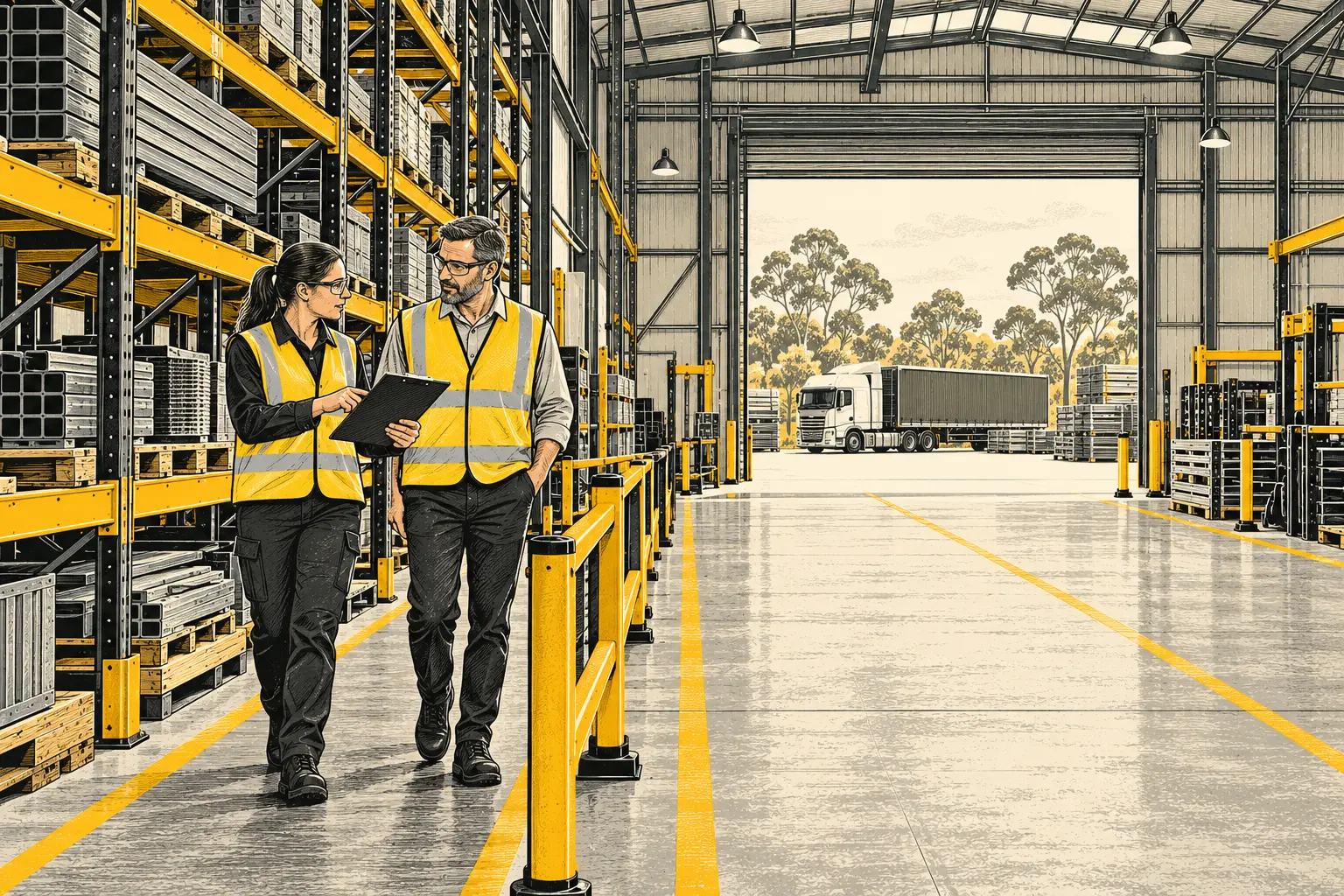
Transport & Warehousing
Transport & Warehousing
Practical safety for your fleet, warehouse and the people connecting them.
01 / Transport & Warehousing
Transport & Warehousing At A Glance
Examples of the businesses and operations within this industry.
- Road Freight & Haulage
- Local Delivery & Courier Services
- Warehousing & Storage
- Distribution Centres
- Picking, Packing & Fulfilment
- Transport Depots & Fleet Operations
02 / Transport & Warehousing
Understanding The Transport & Warehousing Industry
Transport and warehousing businesses keep goods moving between suppliers, workplaces and customers. That includes road freight operators, local delivery crews, transport depots, storage facilities and distribution centres, from a small fleet to an operation coordinating receiving, storage, picking and dispatch.
The work extends beyond the journey or the warehouse floor. A delivery can involve several businesses, unfamiliar sites and different loading arrangements. Inside a warehouse, the flow of goods needs to work alongside the movement of people, forklifts and other equipment.
Safety depends on how these activities connect. Clear handovers, realistic planning and useful information help drivers, warehouse teams, supervisors and contractors understand what is happening around them and what to do when conditions change.
Safety Forward has worked with transport businesses including Padgett Group and Kevin Morgan Group (KMGC). Courtney and Richard also bring extensive warehousing experience, providing an understanding of the people, processes and everyday pressures involved in storing and moving goods.
03 / Transport & Warehousing
Key Areas Of Transport & Warehousing Safety
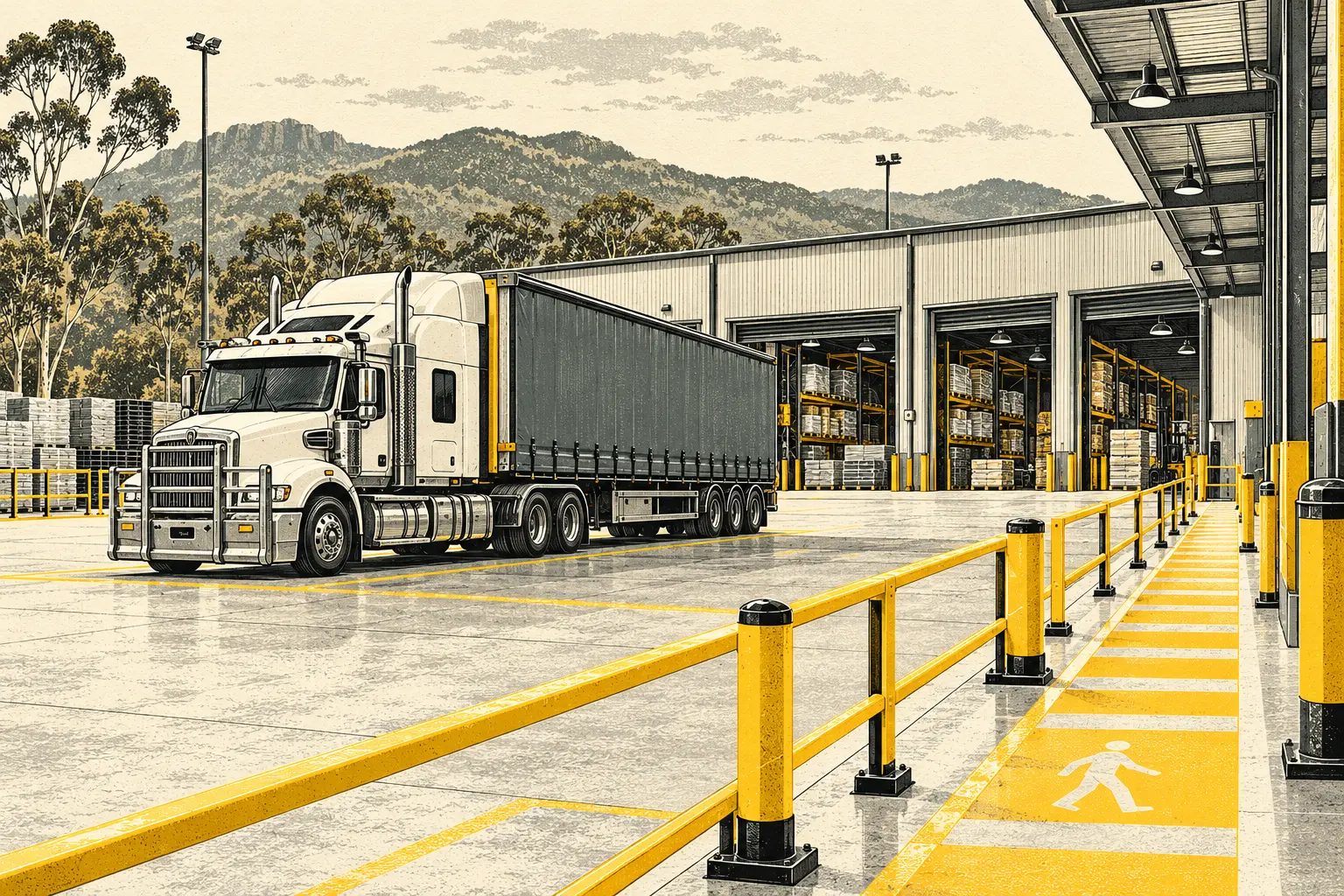
Busy yards, delivery schedules and changing volumes can put pressure on familiar routines. Risks can arise on the road, during loading and unloading, at customer sites or within storage and dispatch areas. The priorities will depend on the vehicles, goods, equipment and tasks involved.
A useful approach looks at the whole operation and listens to the people doing the work. That includes visiting drivers, contractors and workers on different shifts, who may see problems that are less obvious during a planned inspection.
These areas provide a starting point for understanding your workplace and deciding where more detailed assessment or specialist advice is needed.
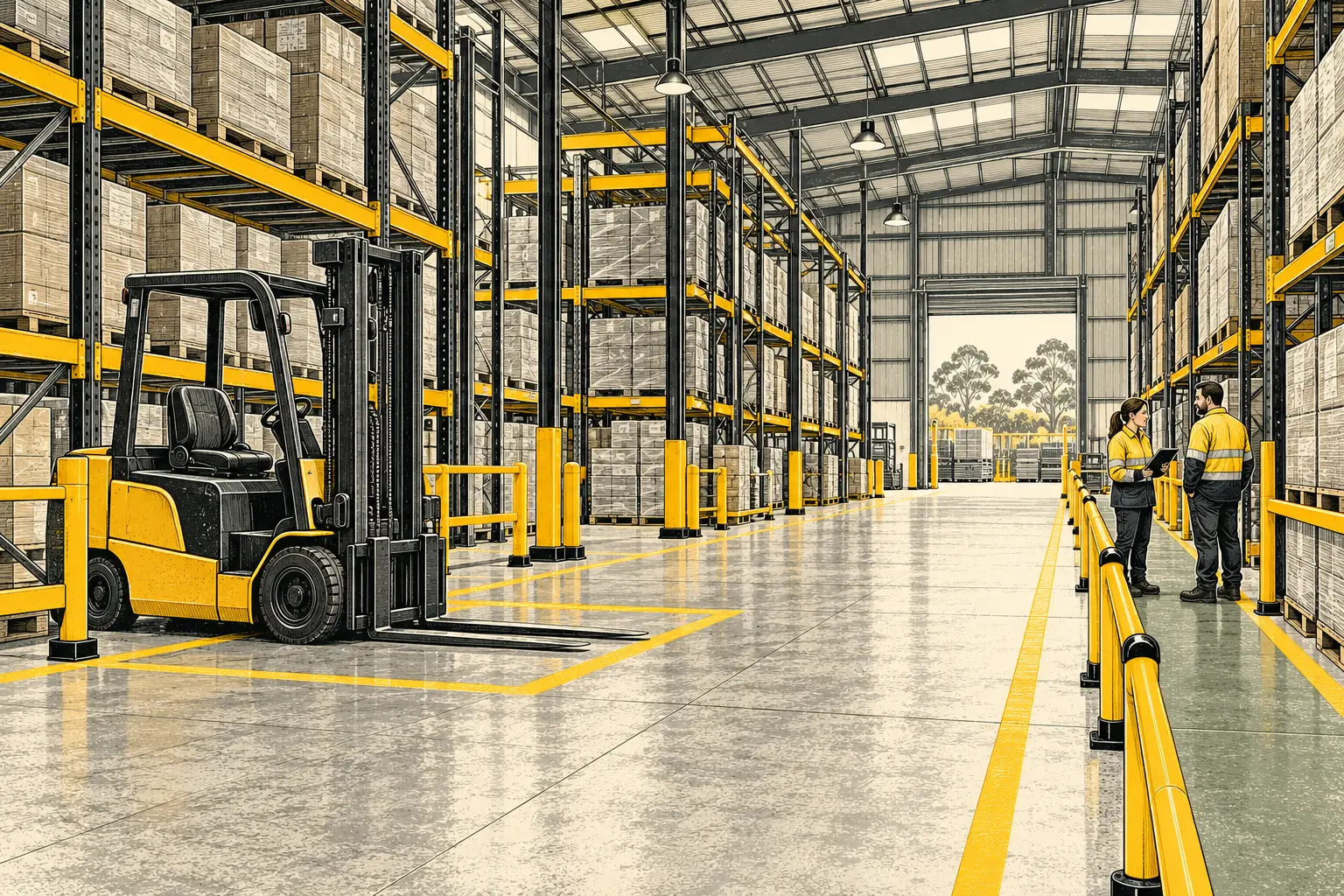
- Vehicle & Pedestrian Movement: Trucks, forklifts, vans and people can share busy spaces. Workplace layout, physical separation, visibility, reversing arrangements and clear site instructions all need attention, including arrangements for visiting drivers.
- Loading, Unloading & Load Security: Different loads, vehicles and delivery locations create different risks. Planning needs to cover load stability and restraint, access to vehicles and docks, safe waiting areas and communication between the people involved.
- Storage, Racking & Manual Tasks: Receiving, picking, packing and storing goods can involve awkward handling and repetitive work. Storage arrangements, racking condition and capacity, pallet stability, handling aids and workstation design should be considered together.
- Fatigue, Workload & Scheduling: Driving, shift work, early starts and loading delays can affect fatigue and wellbeing. Realistic schedules, suitable breaks, clear expectations and a way to raise concerns help teams respond when work does not run to plan.
- Equipment, Maintenance & Safe Access: Forklifts, conveyors, loading equipment and vehicles need suitable checks, maintenance and competent operation. Safe access, isolation during maintenance and the right training and licences for the task are also part of the picture.
- Coordination Across The Supply Chain: Customers, operators, schedulers and loading teams can influence safety. Clear responsibilities and handovers matter, including applicable heavy vehicle Chain of Responsibility obligations and the effects of booking times, loading decisions and delivery expectations.
04 / Transport & Warehousing
Where We Can Support You
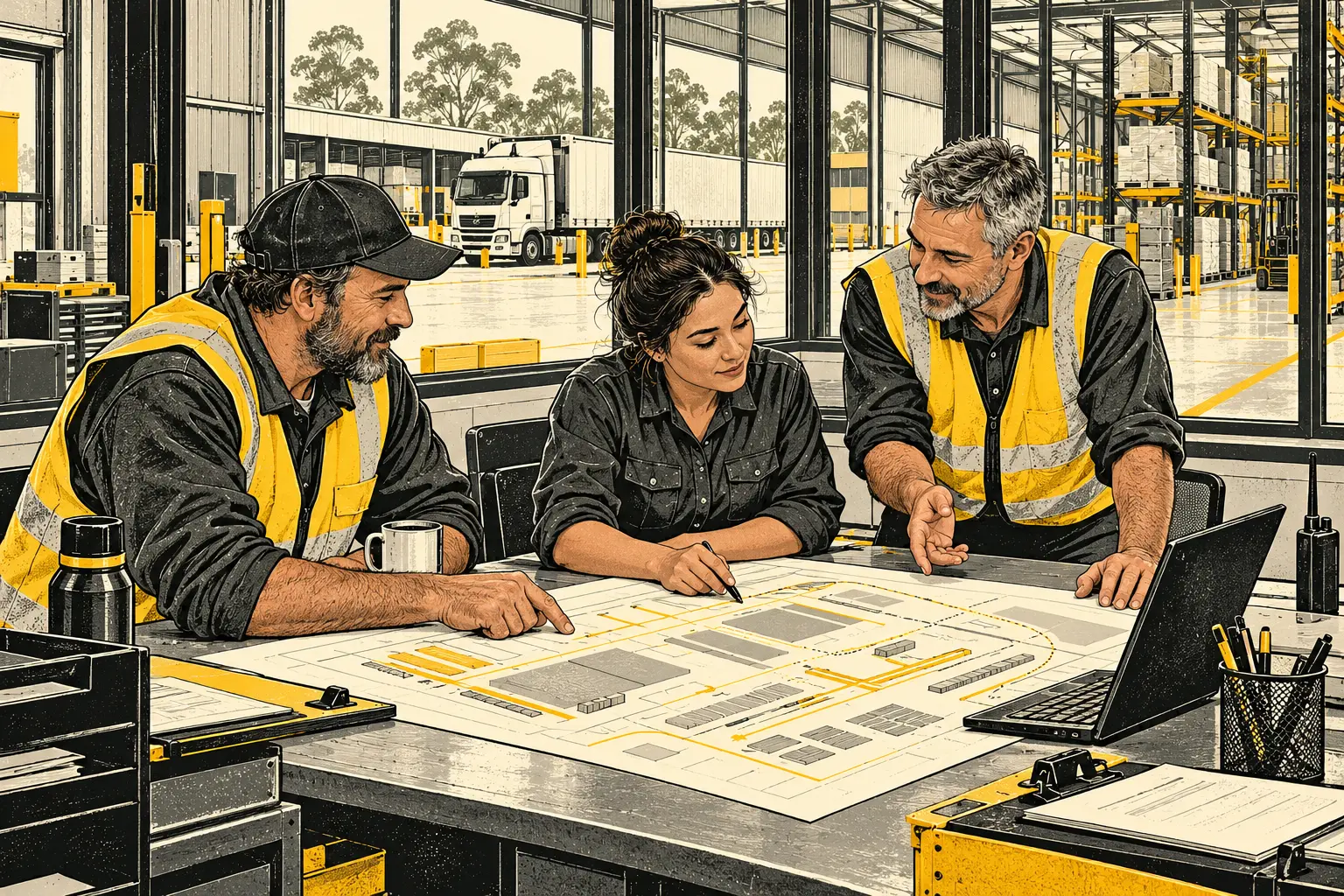
We start by understanding how goods move through your business, who is involved and where your team encounters difficulties. That might mean looking at a transport depot, a warehouse workflow, customer delivery arrangements or the way your safety system supports several locations.
Our work connects WHS documentation with the decisions people make each day. We can help you identify priorities, clarify responsibilities and develop practical arrangements that are easier for drivers, warehouse workers and supervisors to understand and use.
Support can be a focused project or an ongoing relationship. We agree the scope with you and identify where specialist transport compliance, engineering, racking or other technical advice is needed.
- WHS Systems That Fit Your Operation: Developing or improving policies, procedures and responsibilities around your fleet, facilities, workforce and the way work is organised.
- Workplace Risk Reviews & Traffic Planning: Helping review interactions between people, vehicles and goods, then working with your team on practical priorities for safer movement and clearer site arrangements.
- Driver & Warehouse Team Support: Strengthening induction, supervision and everyday communication so workers and visiting drivers understand expectations, site arrangements and how to report concerns.
- Contractor & Customer Coordination: Helping clarify shared risks, handovers and WHS requirements with contractors, customers, host sites and other businesses involved in moving your goods.
- Planning, Consultation & Follow-Through: Supporting useful safety conversations and helping turn concerns about workload, changing tasks, incidents or near misses into agreed actions with clear ownership.
- Ongoing WHS Advice: Providing a sounding board and practical assistance as your fleet grows, your warehouse layout changes or new contracts introduce different operating demands.
05 / Transport & Warehousing
Businesses We’ve Worked With
Every workplace has its own people, processes and priorities. These are some of the businesses we’ve worked with in transport & warehousing, helping them make safety a practical part of their day-to-day work.


06 / Transport & Warehousing
Start With Your Workplace
Tell us about your transport or warehousing operation, the people involved and where you need support. You may be reviewing a busy depot, bringing a new warehouse into use, responding to client requirements or making your existing safety systems easier to manage.
We’ll use the first conversation to understand your priorities and agree on a practical next step that fits the way your business works.