
Forestry
Forestry
Practical safety from the forest to the timber yard.
01 / Forestry
Forestry At A Glance
Examples of the businesses and operations within this industry.
- Forest Owners & Managers
- Harvesting Contractors
- Plantation & Silviculture Crews
- Log Haulage & Transport
- Sawmills & Timber Processing
- Forestry Maintenance & Support
02 / Forestry
Understanding The Forestry Industry
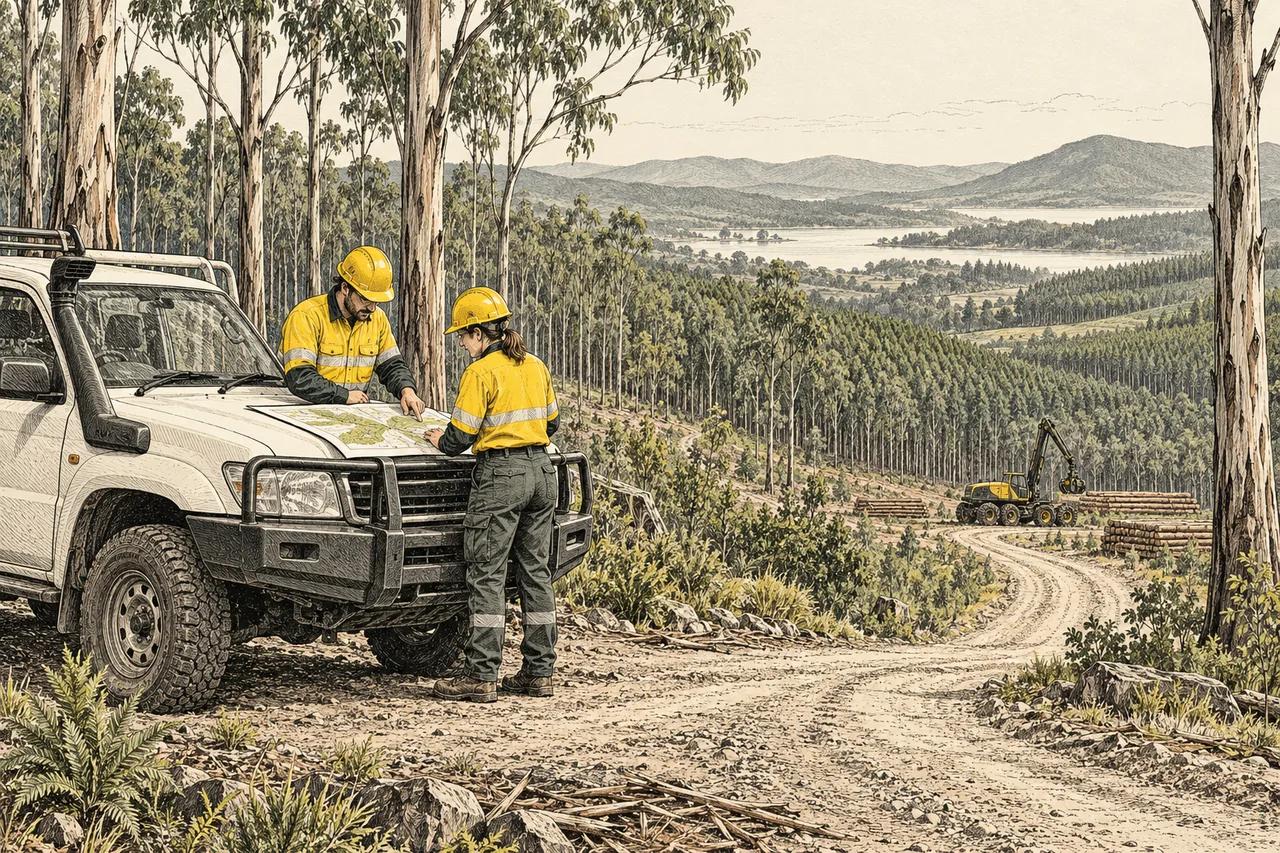
Forestry connects forest owners and managers, plantation crews, harvesting contractors, transport operators and timber processors. These businesses share a supply chain, but their people work in different conditions and their activities can overlap.
A crew establishing trees, a contractor harvesting a coupe and a driver collecting logs each need arrangements that fit their work. Terrain, weather, equipment, access and the distance from immediate assistance can change between sites and throughout a job.
Safety Forward starts by understanding your part of that operation: the work you influence, the people involved and the points where your responsibilities meet those of other businesses. Clear communication and coordination matter alongside the systems within each business.
Our focus is practical WHS support that makes sense to your managers, supervisors and crews, with specialist forestry expertise included where the agreed work requires it.
03 / Forestry
Key Areas Of Forestry Safety
Forestry risks change across establishment, harvesting, haulage, maintenance and processing. A plan that fits one worksite may need adjusting when crews move to a different coupe, ground conditions change or another contractor joins the operation.
Understanding those changes means looking at the site and the way work is organised together. Access, communication, equipment, weather and distance from assistance can affect everyday decisions, while the experience of crews helps identify where arrangements need attention.
The areas below provide a starting point for discussing your operation. The priorities and controls need to reflect the actual work, the location and the businesses involved.
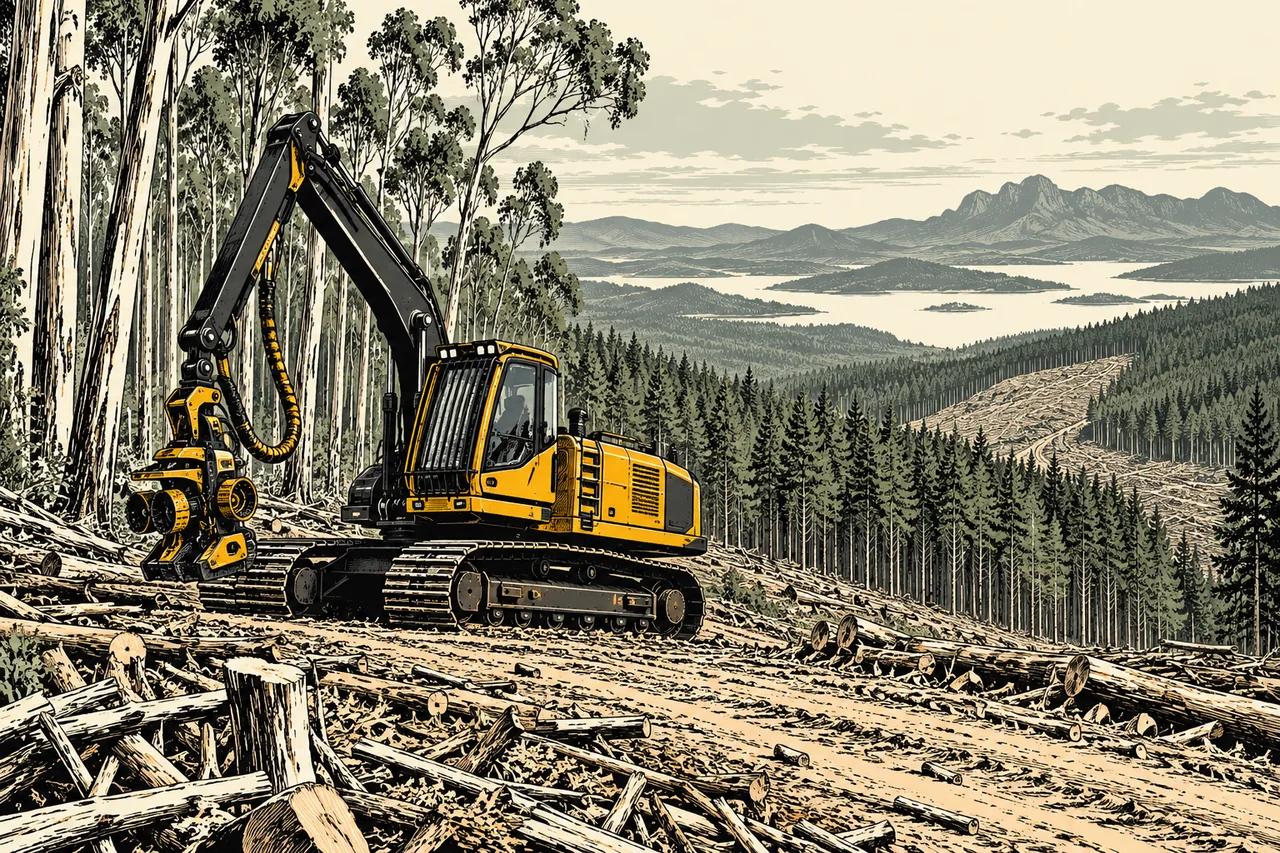
- Trees, Logs And Falling Material: Tree condition, overhead hazards and the movement of timber need attention during harvesting, extraction, stacking and loading. Work areas and interactions between crews need careful planning.
- Mobile Plant And Vehicle Movement: Harvesters, forwarders, loaders and trucks may work close to other crews. Site access, visibility, communication and separation between people and plant need to work together.
- Machinery And Maintenance: Cutting equipment, moving parts and stored energy create risks during routine work and repairs. Equipment suitability, inspections, protective systems and effective isolation are important considerations.
- Remote Sites, Terrain And Weather: Slopes, ground conditions, access, wind and visibility can change how work is carried out. Communication, check-ins, emergency access and response arrangements need to suit the location, including areas with unreliable mobile coverage.
- Health And Physical Demands: Noise, vibration, dust, chemicals and demanding manual tasks can affect health immediately or over time. Task design, suitable equipment and exposure controls deserve attention alongside injury prevention.
- Fatigue And Work Pressures: Long days, travel, physical demands and production pressures can affect concentration and wellbeing. Work planning, rest opportunities, supervision and support all form part of the picture.
04 / Forestry
Where We Can Support You
We start by understanding your part of the forestry operation and listening to the people doing the work. Your crews and supervisors help identify what has changed, where information is difficult to use and which improvements would make a difference at the worksite.
Together, we agree priorities, clarify responsibilities and decide how actions will be followed through. That includes keeping site information, contractor coordination, communication and emergency arrangements connected to everyday planning as locations and teams change.
The support may be a defined review, an improvement project or an ongoing working relationship. We agree the scope and identify where specialist technical advice or operational training is needed, while your business retains its operational decisions and WHS responsibilities.
- WHS Systems And Processes: Reviewing policies, procedures and records so they fit your operation and clarify what people need to do.
- Risk Discussions And Improvement Plans: Helping your team identify priorities, assess existing arrangements and turn agreed improvements into practical actions.
- Contractor Coordination: Clarifying responsibilities, communication and consultation across the businesses working together.
- Leadership And Worker Involvement: Supporting supervisors and leaders to have useful safety conversations and act on the experience of their crews.
- Emergency And Communication Planning: Reviewing how site information, check-ins and emergency arrangements connect with everyday work.
- Ongoing WHS Support: Providing a sounding board and agreed hands-on assistance as your sites, teams and business needs change.
05 / Forestry
Businesses We’ve Worked With
Every workplace has its own people, processes and priorities. These are some of the businesses we’ve worked with in forestry, helping them make safety a practical part of their day-to-day work.
06 / Forestry
Start With Your Workplace
Tell us about your forestry business, the sites and crews you work with, and where you would like support. You may be reviewing an established system, coordinating contractors or preparing for changes in your operation.
We will use the first conversation to understand your priorities and discuss a practical next step, including the right scope and expertise for the work.