Trades & Services
Trades & Services
Practical safety for the trades that keep work moving.
01 / Trades & Services
Trades & Services At A Glance
Examples of the businesses and operations within this industry.
- Plumbing & Drainage
- Electrical & Data Services
- Building & Carpentry
- Painting & Fit-Out
- Refrigeration & Mechanical Services
- Property & Facilities Maintenance
02 / Trades & Services
Understanding The Trades & Services Industry
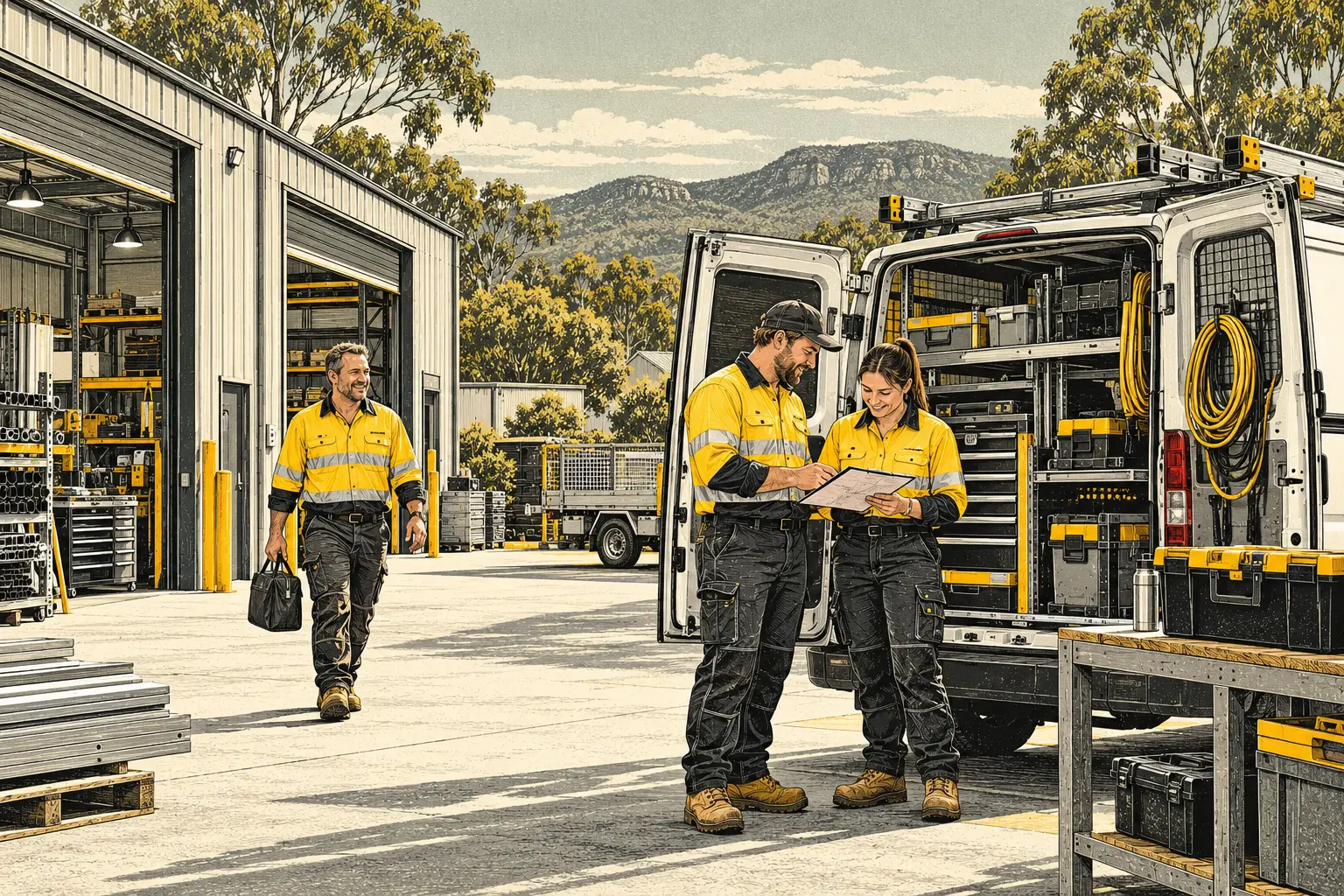
Running a trade business means keeping jobs moving while looking after your people, your customers and the next contract. Owners and supervisors often move between quoting, organising crews, working on the tools and responding to whatever the day brings.
Trades & Services covers the hands-on businesses that install, build, repair and maintain the places we live and work. That includes plumbers, electricians, builders, carpenters, fit-out teams and maintenance contractors, from established local crews to growing businesses working with larger builders, facilities managers and commercial clients.
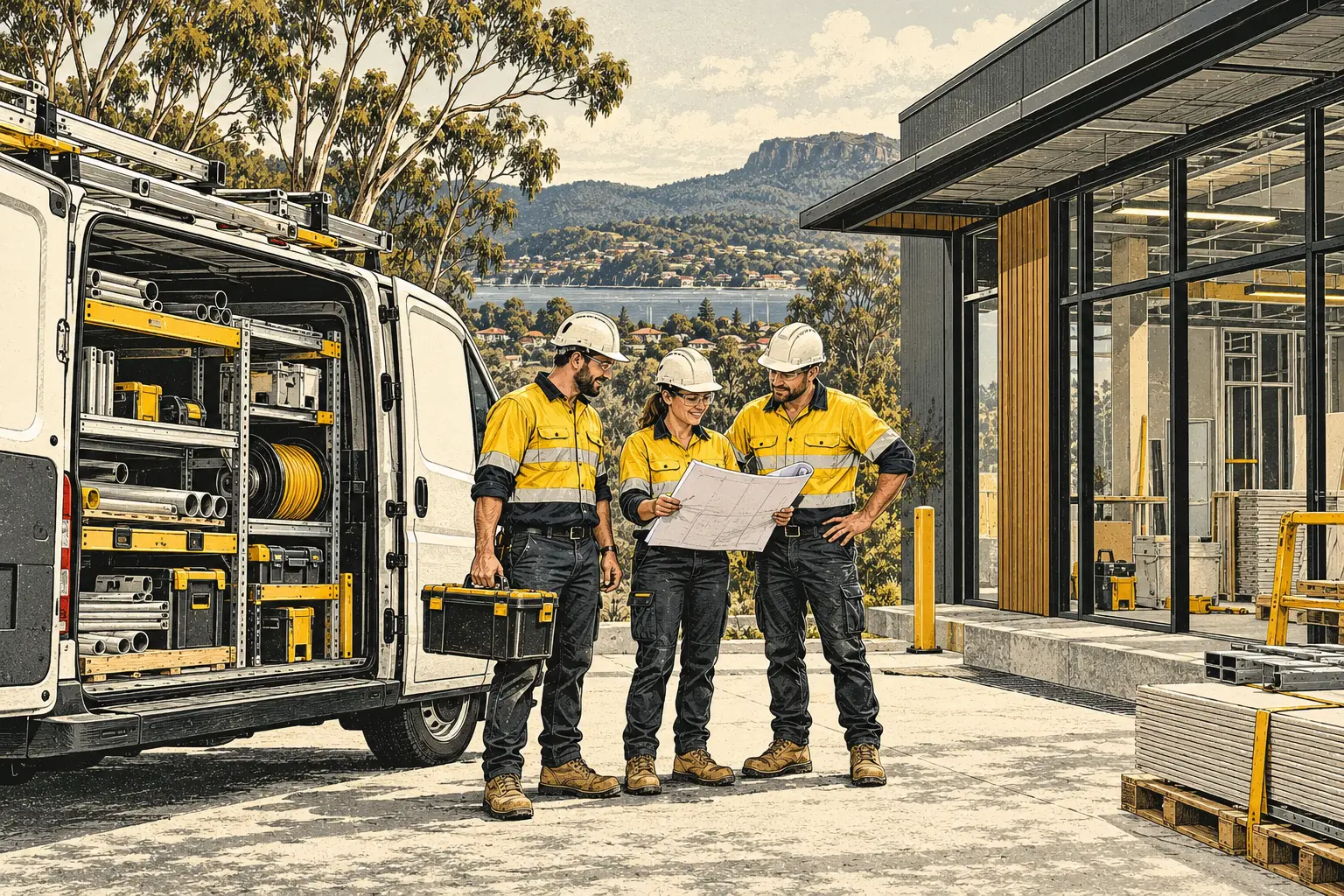
Your team may move from an occupied home to a busy commercial site or share a work area with several other trades. Site rules, access arrangements and client expectations can change from job to job. The challenge is keeping your own safety arrangements clear and useful wherever the work takes you.
Safety Forward helps connect those everyday realities with practical WHS systems, clear responsibilities and conversations your crew can act on. We start with how your business works and what your people need to do their jobs safely.
03 / Trades & Services
Key Areas Of Trades & Services Safety
Trade work brings different risks at different stages of a job, from loading the van and arriving on site to installation, testing, clean-up and the journey home. Familiar tasks can become less predictable when access is restricted, conditions change or other people are working nearby.
Planning needs to connect the job, the worksite and the people involved. That includes understanding the client's arrangements, discussing shared risks with other businesses and making sure workers know how to raise a concern or respond when the plan changes.
These areas provide a starting point. Your priorities need to reflect the trade, the task and the conditions at each workplace.
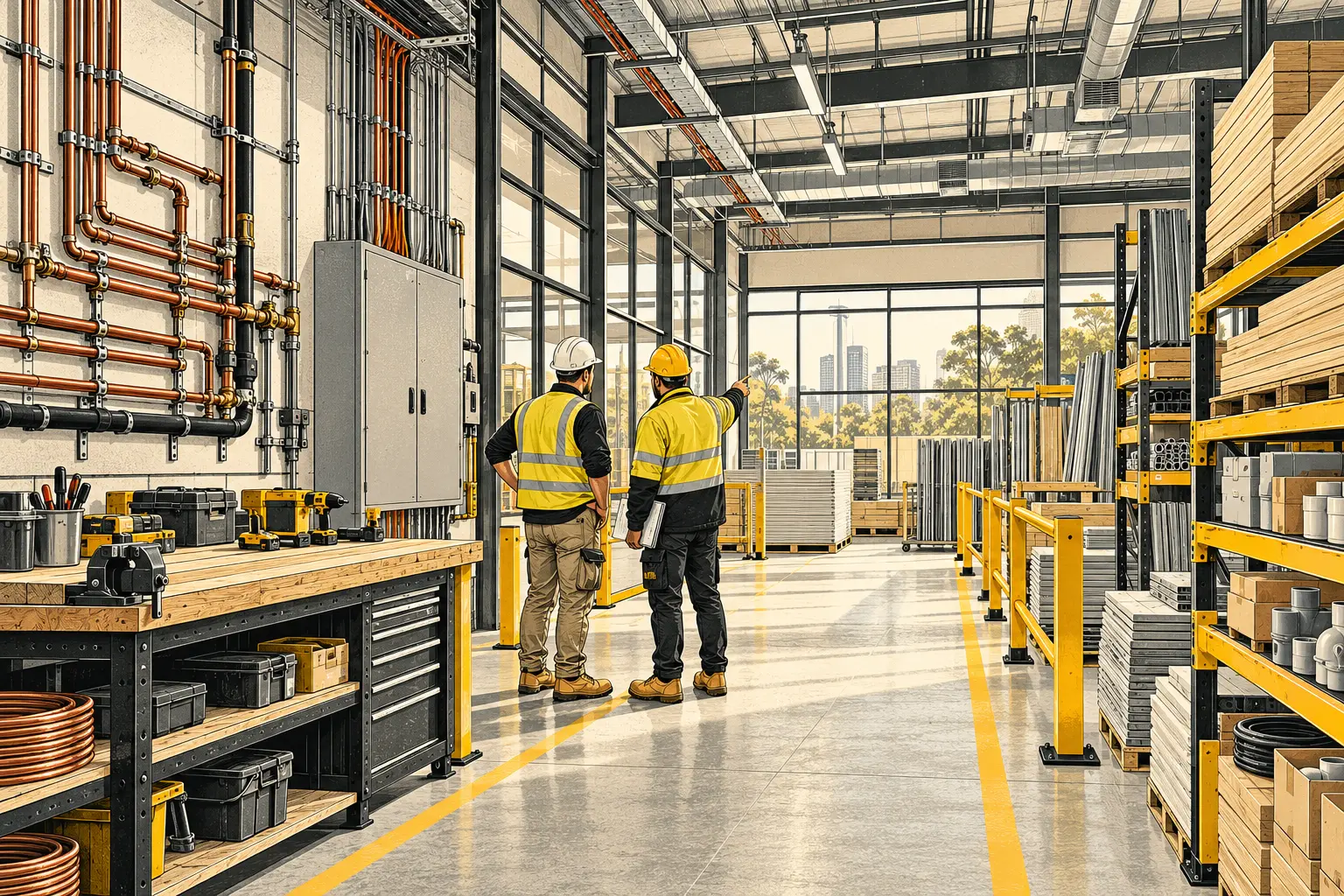
- Changing Sites & Shared Work Areas: Other trades, moving vehicles, deliveries and members of the public can affect your work. Site access, work sequencing, separation and clear communication help teams coordinate what happens around them.
- Working At Height & Safe Access: Roofs, ceiling spaces, platforms and uneven ground bring different access and fall risks. Planning needs to consider the task, suitable equipment, ground conditions and how people will get to and from the work area.
- Tools, Equipment & Hazardous Energy: Power tools, electrical services, pressure and moving parts need attention during installation, testing and repairs. Equipment condition, effective isolation and the right competence and licences for the work all matter.
- Dust, Noise & Hazardous Materials: Cutting, drilling and disturbing existing materials can expose workers and others to dust, noise and hazardous substances. Identify materials and exposure risks before work begins, including silica and asbestos where relevant, with specialist assessment when needed.
- Manual Tasks & Physical Demands: Carrying equipment, handling awkward materials and working in restricted positions can place strain on the body. Job design, delivery arrangements, handling aids and access should be considered together.
- Workload, Travel & Team Support: Early starts, travel, urgent call-outs and competing deadlines can affect fatigue and wellbeing. Realistic scheduling, clear instructions, supervision and support help crews, including apprentices and workers who are new to a site.
04 / Trades & Services
Where We Can Support You
We work with you to understand the jobs you take on, the clients you work for and the way your crews operate. That includes looking at what already works, where paperwork is difficult to use and which safety concerns need attention first.
Together, we turn those findings into practical priorities for the business. You might need clearer job planning, a more useful WHS system or help responding to a larger client's contractor requirements. The aim is to connect your documentation with what actually happens on site.
Support can be a focused project or an ongoing working relationship. We agree the scope with you and identify where specialist trade, engineering or occupational hygiene advice is needed.

- WHS Systems That Fit Your Business: Developing or improving policies, procedures and responsibilities around the size of your team and the work you actually do.
- Job Planning & Safe Work Documentation: Helping make risk assessments, work procedures and SWMS where required specific to the job, understandable to the crew and useful when conditions change.
- Contractor & Client Requirements: Helping you organise WHS information for prequalification, inductions and client reviews, and clarify how your arrangements connect with those of the businesses you work alongside.
- Supervisor & Apprentice Support: Supporting owners and supervisors with practical guidance on expectations, induction, communication and supervision for people with different levels of experience.
- Worker Consultation & Follow-Through: Building useful safety conversations into everyday work and helping turn reported concerns, incidents and agreed improvements into action.
- Ongoing WHS Advice: Providing a sounding board and agreed hands-on assistance as your workforce grows, your contracts change or new challenges arise.
05 / Trades & Services
Businesses We’ve Worked With
Every workplace has its own people, processes and priorities. These are some of the businesses we’ve worked with in trades & services, helping them make safety a practical part of their day-to-day work.

06 / Trades & Services
Start With Your Workplace
Tell us about your trade business, the jobs you take on and the people you work with. You may be preparing for a larger contract, bringing on new workers or trying to make your existing safety systems easier to use.
We’ll use the first conversation to understand where you need support and agree on a practical next step that fits your business.