Manufacturing
Manufacturing
Practical safety for the people behind your products.
01 / Manufacturing
Manufacturing At A Glance
Examples of the businesses and operations within this industry.
- Metal Fabrication & Engineering
- Food & Beverage Production
- Timber Products & Joinery
- Plastics & Composite Products
- Packaging & Paper Products
- Machinery & Equipment Assembly
02 / Manufacturing
Understanding The Manufacturing Industry
Manufacturing turns raw materials and components into finished products. It includes metal fabrication, food and beverage production, timber products, plastics, packaging and equipment assembly, from small workshops to larger processing plants.
People, machinery and materials need to work together throughout production. Safety arrangements need to fit how products are made, assembled, packed and moved, including the work between those steps.
A line running normally presents different challenges from a product changeover, equipment cleaning or a breakdown. New machinery, different materials, staffing changes and production demands can all affect the way work is carried out.
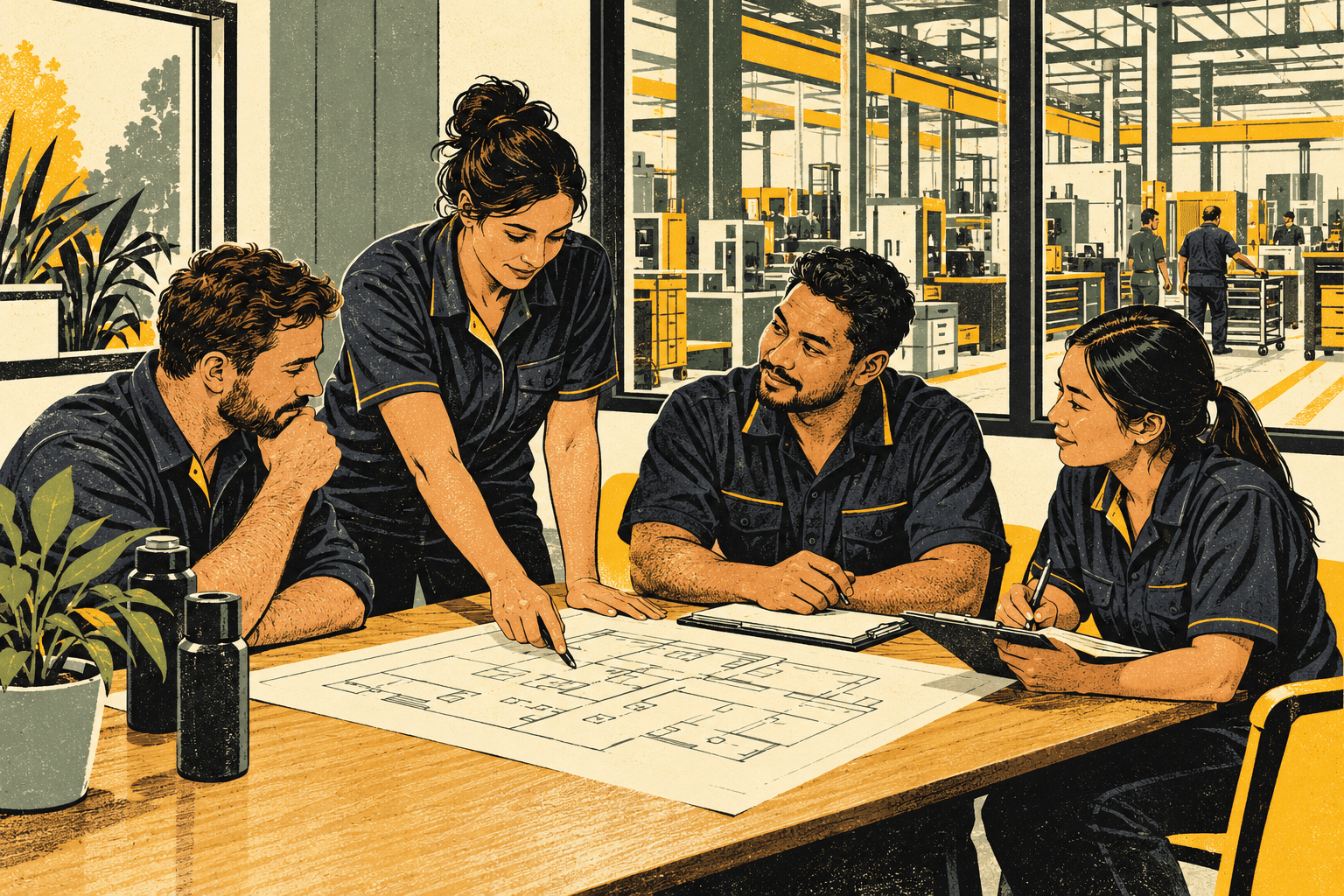
Safety Forward helps manufacturers connect these everyday realities with practical WHS systems, clear responsibilities and agreed improvements, drawing on the experience of operators, supervisors and maintenance teams.
03 / Manufacturing
Key Areas Of Manufacturing Safety
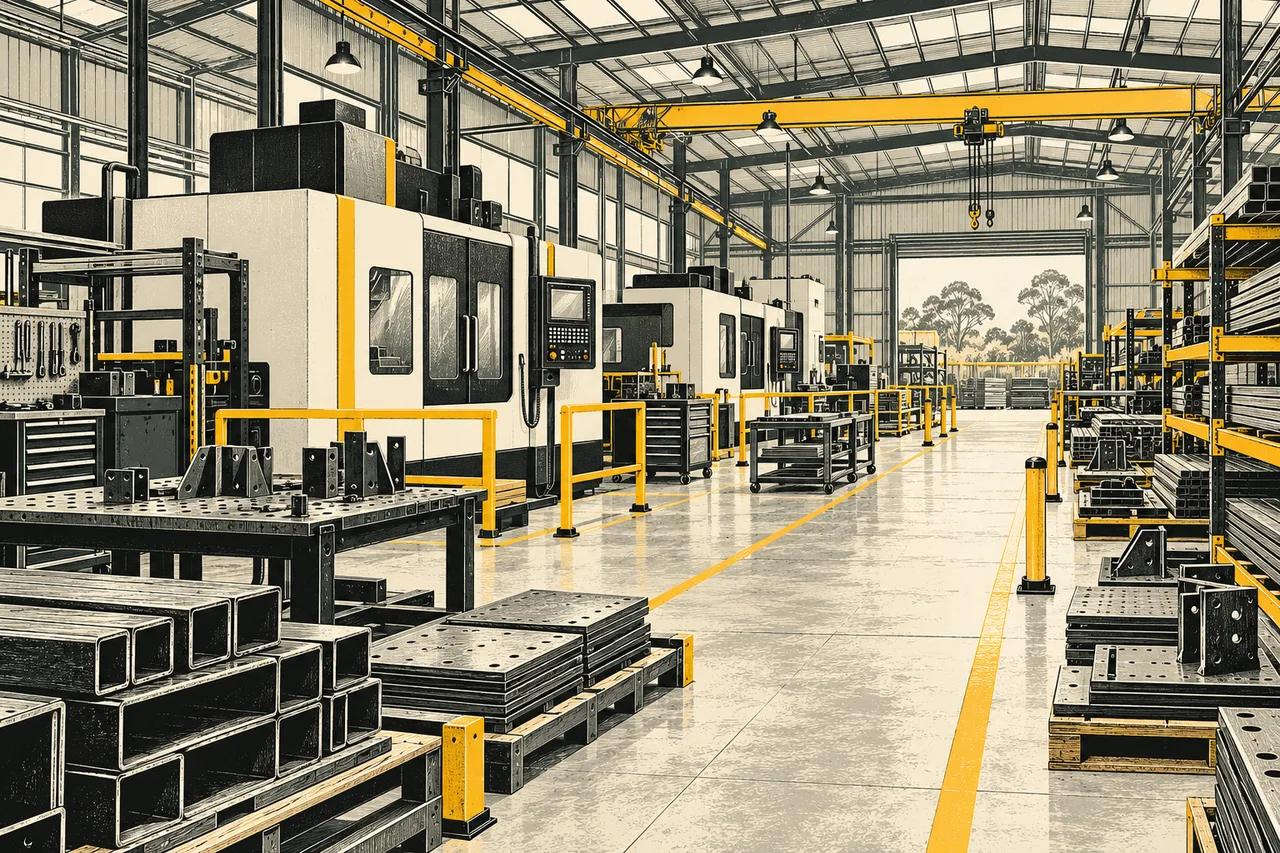
Manufacturing safety needs to account for the full production cycle, from receiving materials to dispatching finished goods. The risks depend on your products, equipment, processes and the way work is organised.
We look at routine production alongside cleaning, maintenance, changeovers and other less frequent tasks. Listening to the people doing the work helps identify where existing arrangements become difficult to follow or need updating.
The areas below provide a starting point. Priorities and controls need to reflect the actual work in your factory, workshop or processing facility.
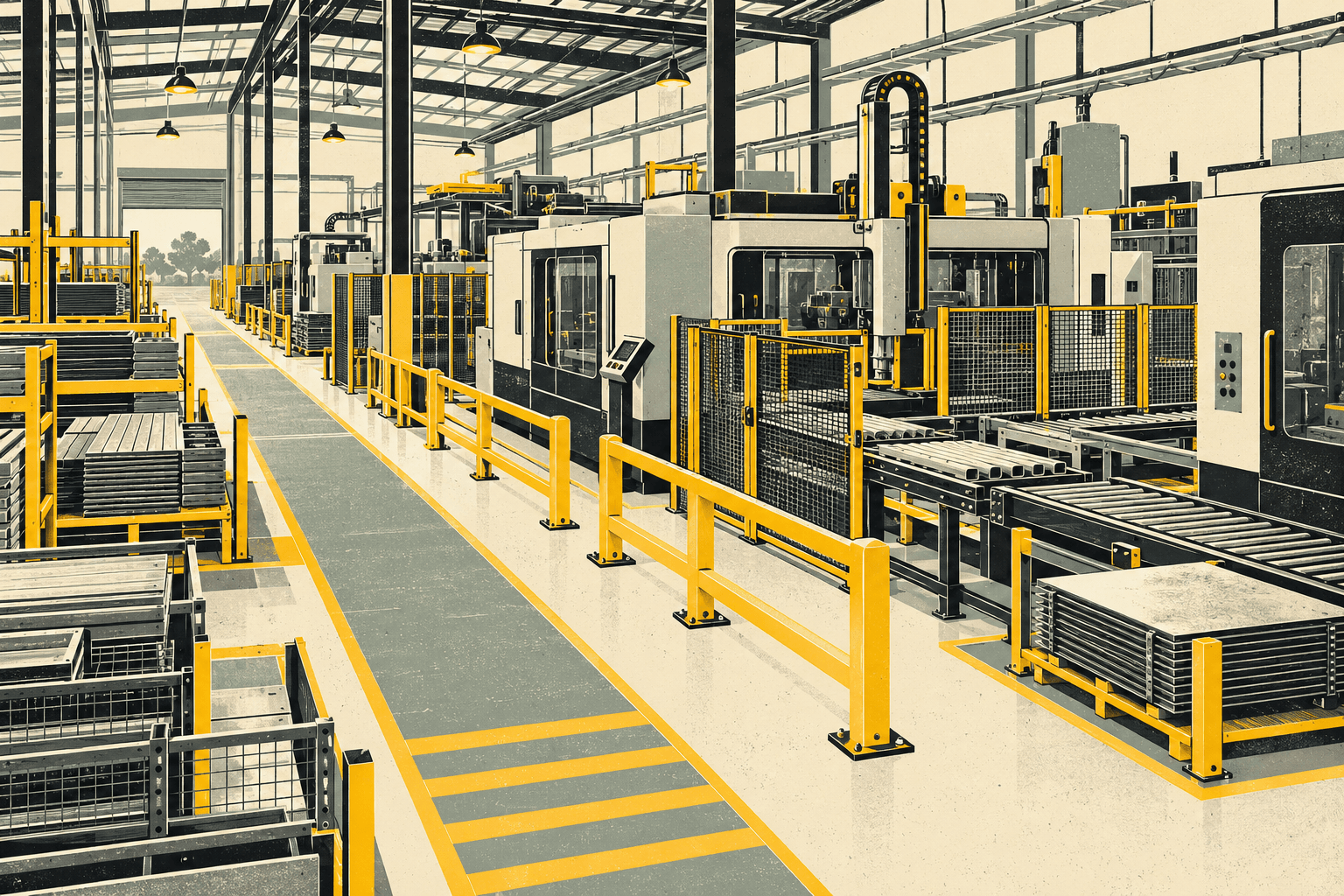
- Machinery, Guarding And Isolation: Cutting, pressing, mixing and conveying equipment can create crushing, cutting and entanglement hazards. Guarding, equipment condition and effective isolation of hazardous energy need attention during operation, cleaning and repairs.
- Production Traffic And Materials: Forklifts, deliveries and the movement of raw materials or finished goods can bring people close to vehicles and loads. Layout, storage, housekeeping and pedestrian separation all affect how safely materials move through the workplace.
- Repetitive Tasks And Workstations: Assembly, packing and handling tasks can involve repetition, force and awkward postures. Workstation design, lifting aids and the way tasks are organised can help reduce physical demands.
- Chemicals, Dust, Fumes And Noise: Processes such as cutting, sanding, welding and cleaning can expose workers to harmful substances or noise. The materials used, exposure controls and equipment condition need to be understood, with specialist assessment where needed.
- Cleaning, Maintenance And Changeovers: Production stoppages can introduce different risks from normal operation. Isolation, safe access, contractor coordination and clear handovers need to be considered before work starts and before equipment returns to service.
- Fatigue, Workload And Communication: Shift work, production pressures, poor support and unclear instructions can affect physical and psychological health. Work planning, supervision and communication need to support people across shifts and changing demands.
04 / Manufacturing
Where We Can Support You
We begin by understanding what you make and how you make it. We listen to your operators, supervisors and maintenance teams to identify where work becomes difficult, what your existing systems do well and which concerns need attention first.
Together, we turn those findings into practical priorities. That may mean reviewing a production procedure, clarifying a changeover process, strengthening worker consultation or helping leaders follow through on agreed actions.
We agree the scope around your manufacturing operation, including where specialist engineering, occupational hygiene or other technical advice is needed. Support can be a defined project or an ongoing working relationship.
- WHS Systems And Procedures: Developing or improving systems, responsibilities and procedures that reflect your actual production processes.
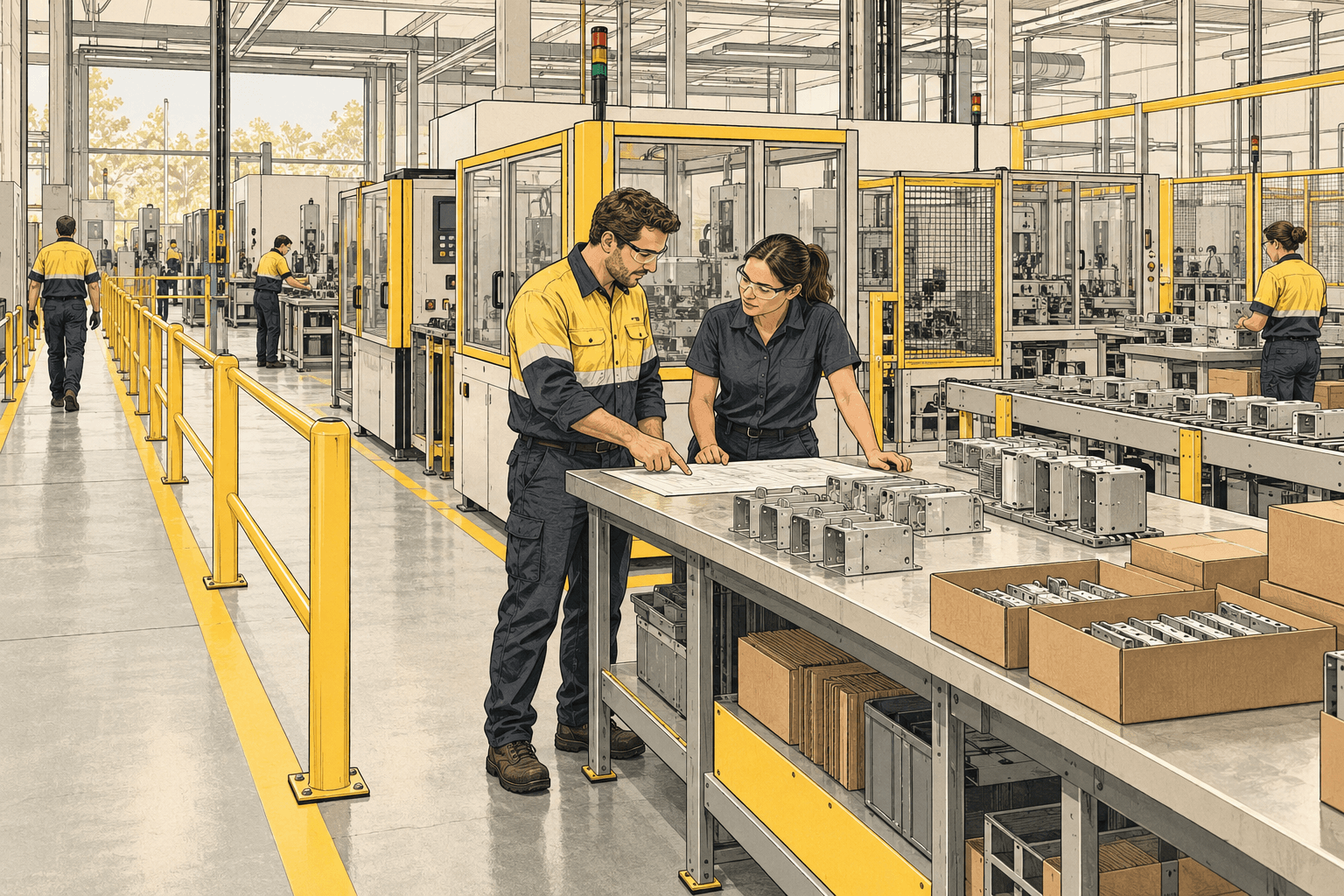
- Risk Assessment And Planning: Working with your team to review production tasks, maintenance activities and existing controls, then agree practical improvements.
- Leadership And Team Capability: Supporting supervisors and teams with practical guidance and focused training suited to their roles.
- Worker Consultation And Communication: Helping build useful safety conversations, shift handovers and follow-through into everyday production.
- Equipment And Process Changes: Helping integrate WHS planning into new equipment, changes to factory layouts, different materials and revised production methods.
- Ongoing WHS Support: Providing advice and agreed hands-on assistance as your products, workforce and operational priorities change.
05 / Manufacturing
Businesses We’ve Worked With
Every workplace has its own people, processes and priorities. These are some of the businesses we’ve worked with in manufacturing, helping them make safety a practical part of their day-to-day work.
06 / Manufacturing
Start With Your Workplace
Tell us what you manufacture, how your production process works and where your team needs support. You may be introducing equipment, reviewing an existing WHS system or working through a particular production or maintenance risk.
The first conversation is a chance to understand your priorities and agree on a useful next step for your workplace.