
Why we do not sell cheap, plug and play safety systems
Cheap plug-and-play safety systems create paperwork, not protection. Here's why real safety systems have to be built around how your business actually works.

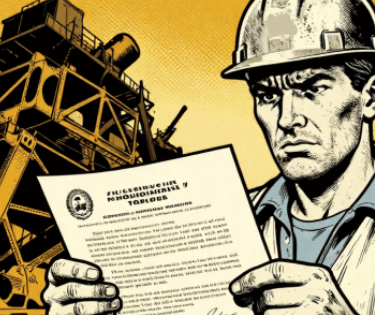
Every so often in a sales conversation someone will ask a version of this question. "Why can't you just give us a set of generic documents? We just want something quick, easy and cheap."
I understand why businesses ask this. On the surface it sounds great. Buy a bundle of policies and procedures, tick the compliance box, move on.
The problem is that in work health and safety, that approach almost always creates a bigger mess.
Over the years I have repeatedly seen businesses come to us after trying the plug and play approach first. What they end up with usually falls into one of two categories.
The bureaucracy trap
Some off the shelf systems try to cover every possible scenario. The result is hundreds of pages of procedures, forms, registers and checklists. On paper it looks impressive but in reality it creates a mountain of administration that no one in the business has the time or capacity to manage. Instead of supporting the work, the safety system becomes a second job. Leaders spend more time feeding the paperwork machine than actually improving safety. And the cost of that administrative burden quietly adds up over time.
The paper shield illusion
The other version is a stack of generic documents that technically cover the required topics but have no real connection to how the business actually operates.
People sign forms. Policies sit in folders. Procedures exist that no one has ever used. The risk here is more subtle but far more dangerous.
If something goes wrong, those documents can become evidence of what the business said it would do but did not actually do in practice. Instead of protecting the organisation, the paperwork can increase exposure. A regulator does not assess what documents you have. They assess whether your system reflects the reality of how work is managed.
Generic systems struggle to do that.
Less is usually more
A well designed safety system is rarely large.
In fact the best ones are often surprisingly simple. They focus on the few things that genuinely matter in that organisation and make those things clear, usable and embedded in everyday work.
The goal is not to create paperwork. The goal is to create clarity. When safety systems are built this way they support leaders, reduce confusion and help people make better decisions in real work.
That kind of system cannot be built by downloading a template pack. It requires understanding how the business actually operates, where the real risks sit and how leaders want safety to show up in their culture.
Why we do not offer plug and play systems
Could we package up a set of generic documents and sell them cheaply? Sure. But it would go directly against the philosophy we bring to safety work.
Our role is not to sell paperwork. Our role is to help businesses build systems that actually work for them.
Sometimes that means fewer documents. Sometimes it means simpler processes. Sometimes it means stripping away things that were never helping in the first place.
It is rarely quick, and it is never completely generic. But the result is a system that supports the business rather than quietly working against it.