How electrical testing & tagging supports WHS systems
An exploration of the role electrical testing & tagging plays in effective WHS systems.
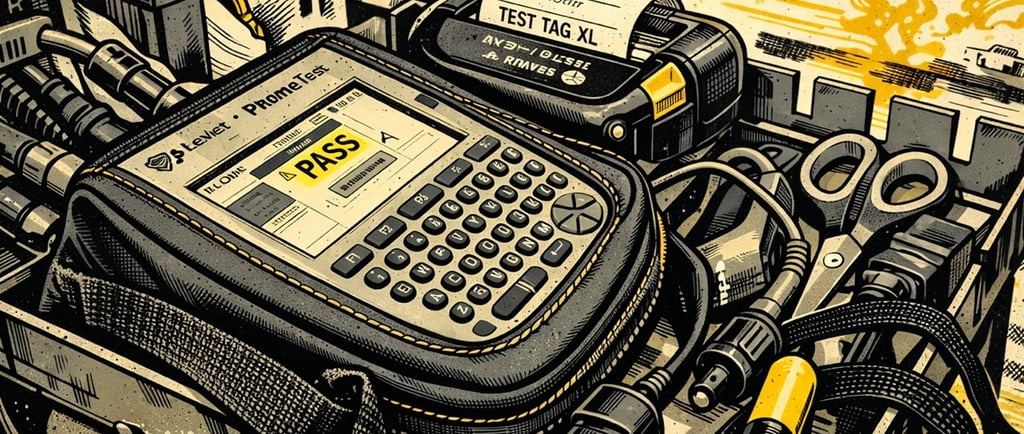
Australian states and territories have WHS legislation that outlines what is required under law to keep people and places safe, and sets clear expectations for how organisations create safe, functional, and well-led workplaces.
In relation to electrical safety, specifically, anything with a plug (ie. portable electrical gear), we have the Australian Standards that tell us ‘how’ this is to be done, primarily AS/NZS 3760:2022.
This starts to fall apart when test and tag services are working with organisations that do not have well designed WHS systems. Any WHS system that relies on someone searching their email inbox for test and tag compliance reports because the regulator is waiting in the foyer, or ISO accreditation is due, is a clear example of this.
There is a better way.
WHS systems work best when they are practical, well organised, and easy for people to use. In our experience, test and tag delivers the most value when it sits within a broader WHS system that gives businesses clear visibility over their compliance activities. That is also why working alongside advisors like Safety Forward makes sense, because when the system itself is well structured, it is easier for service providers like us to contribute useful reporting, keep records current, and support a more consistent approach to electrical safety.
Test & tag operators, such as Liberty Test and Tag, also understand that WHS safety and compliance is an evolving space. They regularly engage with client WHS systems to upload digital compliance reports and annotate compliance activities within outward-facing WHS compliance tracking systems. This supports visibility, keeps records current, and provides traceable reporting that can be used in system reviews and ISO processes.
Mobile safety services, like electrical test and tag, are only as effective as the WHS system they are connected to. The wheel does not turn if the spokes are not connected in a way that allows service insights to inform an ongoing understanding of the real risks on site, in this case the condition and performance of portable electrical equipment.
Done well, these systems do more than meet compliance, they support better work, better decisions, and better outcomes for people.
For organisations that want more than just compliance, working with providers who understand how systems, people, and work connect makes a real difference. When the right WHS structure is in place, services like test and tag become more than a checkbox, they become part of how risk is understood and managed day to day. This is where working alongside advisors like Safety Forward and service providers like Liberty Test and Tag delivers the most value.
Author Bio
Mark Peters is the Co-Director of Liberty Test and Tag, based in Sydney. He helps clients keep their workplaces safe and compliant by translating compliance requirements into highly effective inspecting, testing and reporting practice.